
The truth is that getting approved for loans consistently in Nigeria is rarely about luck. Rather, it comes down to a set of habits, behaviours, and financial choices that certain people have built deliberately over time and often without realising how much those choices are working in their favour.
Understanding what those people are doing differently is the first step toward joining them. This guide breaks down exactly what consistent loan approval looks like, why some Nigerians achieve it repeatedly, and how you can position yourself to do the same.
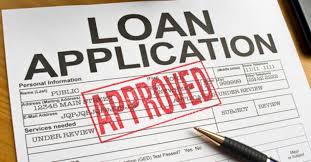
Why Lenders Say Yes to Some People and No to Others
Every lender, whether a bank, microfinance institution, or digital lending platform is trying to answer one question before approving any application: will this person repay?
To find the answer, lenders check credit bureau reports from CRC, First Central, and Credit Registry. They look at repayment history, current debt levels, credit activity, and how recently a borrower has engaged with the credit system. Beyond the bureau report, some lenders also review bank statements, employment status, and income patterns.
Consequently, people who always get approved are not necessarily richer or more connected. They are simply more visible to the system and what the system sees about them tells a reassuring story.
What People Who Always Get Approved Have in Common
They have an active, positive credit history.
Consistent loan approvals almost always trace back to a credit profile showing regular, reliable financial behaviour. These borrowers have taken loans before and repaid them on schedule. Even when the loans were small, the pattern of responsible repayment is on record and lenders find it very easy to say yes to a track record like that.
Moreover, their credit history is not just old. It is recent. A loan repaid three years ago carries less weight than one repaid three months ago. Active engagement signals that the borrower is still reliable today, not just in the past.
Their credit report is clean and accurate.
People who get approved regularly take time to check and maintain their credit reports. Because they monitor their profiles, they catch errors early like a loan marked unpaid despite being settled, or an account they never opened appearing on their record. Disputing and removing those inaccuracies before applying makes a significant difference in how lenders assess them.
They do not apply for several loans at once.
Each loan application triggers a hard enquiry on a credit report. Multiple enquiries within a short period suggest financial instability. People who get approved consistently apply to one lender at a time because they already know their profile is strong. As a result, their report shows clean, deliberate credit-seeking rather than desperate, scattered attempts.
They understand what lenders are looking for.
Informed borrowers match their applications to the right lenders. They know that a microfinance loan requires different criteria than a bank loan. They prepare before applying, gathering the right documents and presenting their case clearly.
They have a record of managing small credit well.
Many consistent loan approvals start with small wins. A borrower who reliably repays a ₦20,000 loan builds the credibility to access ₦200,000 later. Lenders extend more credit and at better rates to borrowers who have demonstrated responsible behaviour at lower amounts first.
→ Related: What You Need to Know Before Taking a Loan in Nigeria
How to Build the Profile That Gets Approved
The habits above are learnable. None of them require a high income or special connections. They require consistency and a clear understanding of how the credit system works.
Start by checking your credit report on PebbleScore. Pull your reports from all three Nigerian bureaus at once and review every entry. Look for anything that does not belong like loans paid off but still showing as outstanding, enquiries from lenders you never approached, or accounts you did not open. Dispute every error immediately.
Next, begin building active credit history. If your profile is thin, meaning you have little or no recent borrowing activity. The PebbleScore Credit Booster helps you address this without taking unnecessary loans. Your everyday payments for airtime, data, electricity, and cable TV are tracked and reported to the credit bureaus as verified positive behaviour.
After three to six months of consistent Credit Booster activity, your profile transforms. Instead of showing an empty or inactive record, it reflects a borrower who pays reliably and regularly. Lenders can see that clearly and that visibility is precisely what leads to approvals.
→ Related: Credit Bureaus Nigeria: What You Need to Know
Practical Steps to Position Yourself for Approval
- Check your credit report on PebbleScore this week. Confirm exactly what lenders are seeing before your next application.
- Dispute any errors on your report promptly. A single incorrect default entry can cause rejections that have nothing to do with your actual behaviour.
- Activate the Credit Booster to start reporting your daily payments. Consistency over three to six months builds the kind of profile lenders trust.
- Repay any outstanding loans on schedule. Even consistent partial repayments improve bureau records over time.
- When you do apply, focus on one lender at a time. Match the lender to your current financial profile rather than applying broadly.
- After each repayment, verify on PebbleScore that the lender has updated your bureau
The Long-Term Advantage of a Strong Credit Profile
Getting approved for loans consistently is only part of the benefit. Beyond access, a strong credit profile also determines the terms of that access.
A borrower with a well-maintained credit history qualifies for lower interest rates. Over the life of a loan, the difference between 5% and 25% monthly interest on even a modest amount can run into hundreds of thousands of naira. Furthermore, lenders with the most competitive rates like banks and licensed microfinance institutions tend to have stricter approval criteria.
Final Thoughts
People who always get approved for loans in Nigeria have not stumbled into good fortune. They have built profiles that make lenders confident, and they maintain those profiles deliberately over time.
The same outcome is available to any Nigerian willing to understand the system and engage with it consistently. Check your credit report on Pebblescore, correct what is wrong, build what is missing, and present yourself to lenders with a profile that speaks for you.