
Multiple loan rejections in Nigeria are more common than most people admit. The frustration is real, and the confusion is entirely understandable. You may not have defaulted on anything. Your income might be stable. Yet the answers keep coming back negative, and nobody explains exactly why.
Recovering from multiple loan rejections is entirely possible. However, it requires understanding what is actually causing the pattern and not treating each rejection as a separate, unrelated event. This guide walks you through what is happening, why it keeps repeating, and how to systematically rebuild your position so the next application lands differently.
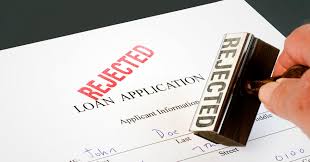
Why Multiple Rejections Create a Damaging Cycle
One of the most overlooked consequences of repeated rejections is what happens to your credit report in the process. Each time you apply to a lender, they run a check on your credit file. This is called a hard enquiry, and it leaves a visible mark on your bureau record.
A single hard enquiry has a small effect. Several of them within a short period, however, send a very specific signal to future lenders that you have been actively seeking credit from multiple sources and have likely been turned down by each. As a result, each new application becomes harder to approve than the last, even if your underlying financial situation has not changed at all.
Moreover, if any of your rejections pushed you toward urgency and taking a high-interest loan from an unverified app just to meet an immediate need, that loan may already be affecting your bureau record. Missed payments on those emergency loans add negative entries that compound the original problem significantly.
Understanding this cycle is essential, because it means the solution is not to apply more widely. Rather, it is to pause, assess, and repair before approaching any lender again.
→ Related: How to Deal With Loan Rejection in Nigeria
What Is Most Likely Causing the Repeated Rejections
Multiple rejections rarely have a single cause. More often, they reflect a combination of factors that individually might be manageable but together make a lender hesitant.
A thin or inactive credit profile. If you have no significant borrowing history or your last loan was several years ago, your credit file appears essentially empty to lenders. An empty profile is uncertain territory. Because lenders cannot see evidence that you manage credit responsibly, many decline as a precaution. This is one of the most common and least understood causes of rejection in Nigeria.
Errors or outdated entries on your report. Loans you have already paid may still appear as outstanding on your bureau record. Accounts you never opened may appear in your name due to data errors or identity fraud. These invisible inaccuracies consistently cause rejections that have nothing to do with your actual behaviour. Because they are hidden, many people spend months applying to different lenders without ever identifying the real problem.
Existing unresolved debts. Even a small outstanding debt, particularly one from a digital lending app can suppress your application. Lenders see current obligations before deciding whether to add another. When those debts appear unmanaged on your report, approvals become very difficult regardless of your stated intentions.
The pattern of multiple applications itself. As noted, multiple hard enquiries in a short period visibly damage your application prospects. By the time you reach your fifth or sixth lender, your report may look significantly worse than when you started, even though nothing else about you has changed.
→ Related: How to Fix First Loan Rejection in Nigeria
How to Recover from Multiple Loan Rejections
Recovery is a process, not a single action. Each of the following steps addresses a specific part of what is holding your applications back.
Step 1: Stop applying immediately. This is the most effective piece of advice but also the most important. Every new application during the recovery period adds another hard enquiry and deepens the damage. Give your credit report time to stabilize before approaching any new lender.
Step 2: Pull your full credit report from all three bureaus. Use Pebblescore to access your report from CRC, First Central, and Credit Registry in one place. Read every entry carefully. Look for defaults you do not recognise, loans marked unpaid despite being settled, and lender enquiries you never authorised. Note everything that needs to be addressed before moving forward.
Step 3: Dispute every error you find. This is often the highest-impact action in the recovery process. Inaccurate negative entries on your report may be the primary reason for your rejections. Pebblescore’s dispute process simplifies what would otherwise be a complex, multi-bureau procedure. Address each error systematically and follow up to confirm corrections have been made.
→ Related: Loan Rejection Despite a Good Credit Score in Nigeria
Step 4: Resolve any genuine outstanding debts. If you have active loans that are overdue or in default, prioritise addressing them. Even if you cannot settle in full immediately, consistent partial payments and direct communication with the lender are far better than silence. Some lenders will restructure repayment terms rather than escalate a default. Additionally, once the debt is resolved, confirm through PebbleScore that your bureau record has been updated correctly.
Step 5: Build positive credit history through everyday payments. Once your report is cleaned up and outstanding debts are being managed, the next step is adding positive data. The PebbleScore Credit Booster reports your everyday payments: airtime, electricity, data, and cable TV directly to the credit bureaus. Over three to six months, those consistent payments create a verifiable record of responsible financial behaviour that lenders can actually see and respond to.
Step 6: Return to lenders strategically, not desperately. After three to six months of Credit Booster activity and a clean dispute record, your profile will look meaningfully different. At that point, apply to one lender whose criteria match your current profile. Start with smaller amounts to build a fresh repayment record. Then gradually work toward the credit facilities you originally needed.
→ Related: What You Need to Know About Paid Off Loans in Nigeria
Practical Tips to Protect Your Progress
- Avoid borrowing from unregistered or unlicensed apps during the recovery period. Any default, however small, resets the progress you are making on your report.
- Keep all existing financial accounts in good standing throughout the recovery process.
- Do not share your BVN with unverified platforms. A fraudulent loan taken in your name will undermine every step forward you make.
- After each milestone: a dispute resolved, a debt cleared. Check your Pebblescore dashboard to confirm the bureau record reflects the change.
- Once you return to borrowing, repay on schedule even if it requires sacrifice. A fresh repayment record built on reliability is the fastest path to consistent loan approvals going forward.
→ Related: How to Recover from Loan Harassment and Borrow Safely Again
Final Thoughts
Multiple loan rejections in Nigeria feel discouraging but they are not a permanent verdict on your financial future. In most cases, the rejection pattern has a fixable cause: a thin profile, hidden errors, unresolved debts, or the damage caused by too many simultaneous applications.
Recovery is systematic. Pause, investigate, correct, build, and return. Each of those steps moves you closer to a profile that lenders approve with confidence and to credit terms that actually work in your favour rather than against you. Check your credit report on Pebblescore, see exactly what lenders are seeing, and take the first deliberate step toward turning those rejections into approvals.