
It Was Not the Reason You Think
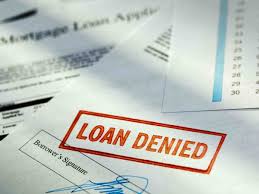
You prepared carefully. You had your documents ready. Your income looked stable. You walked in with confidence, or submitted the app with hope, and the answer came back: declined.
The most common assumption after a bank loan rejection in Nigeria is that income was the problem. That you simply did not earn enough. In some cases, that may be true. However, in many more cases, the real reason for rejection has nothing to do with how much you earn and everything to do with what your credit data says about how you manage what you have.
Understanding the real reasons banks reject loan applications gives you something more useful than frustration. It gives you a clear action plan.
How Banks Actually Make Lending Decisions
Before a bank in Nigeria approves any loan, it assesses risk. The central question is always the same: will this person repay?
To answer that, banks use a combination of sources. Your income and employment status matter. However, your credit bureau data often matters more. Banks check your records with Nigeria’s three licensed credit bureaus: First Central Credit Bureau, Credit Registry, and CRC Credit Bureau.
These reports tell the bank your full borrowing history. Every loan you have taken. Every repayment you have made, missed, or delayed. Every lender who has searched your file. Because of this, a person with a high income but a poor repayment history can be rejected while someone with a modest income and a clean, active credit profile gets approved.
Income shows what you earn. Your credit profile shows what you do with it. Banks trust the latter more.
The Most Common Real Reasons for Rejection
Reason 1: A Thin or Empty Credit Profile
This surprises many applicants. A bank may reject you not because you have done something wrong, but because you have not done enough formally. If you have never taken a registered loan or had any financial product report your behaviour to the credit bureaus, your file is essentially blank.
Banks use credit history to predict future behaviour. When there is no history, they have nothing to predict from. As a result, many choose not to lend rather than take on unknown risk. This is one of the most common and least understood causes of rejection in Nigeria.
Reason 2: Negative Entries From Previous Loans
A default from two years ago. A missed repayment from a digital lending app. An old loan that was repaid but never updated as cleared on the bureau record. Any of these can trigger a rejection even if your current financial situation is entirely different.
Importantly, many of these entries persist on credit reports longer than borrowers realise. And some remain there incorrectly, either because the lender failed to update the bureau after repayment or because the entry was made in error to begin with.
Checking your credit report before applying for a bank loan is essential precisely because of this. Also, disputing any inaccurate entries before the application ensures lenders see an accurate picture rather than an outdated or incorrect one.
→ Related: Loan Rejection Despite a Good Credit Score in Nigeria
Reason 3: Multiple Hard Enquiries in a Short Period
Every time a lender checks your credit file, it leaves a hard enquiry on your record. One or two of these are normal and expected. However, multiple enquiries within a short window tell a specific story to the next lender who sees your file.
It suggests that several lenders have already assessed you and said no. As a result, each subsequent application faces a slightly higher burden of doubt. The credit file looks like a rejection trail, and many lenders respond accordingly.
Reason 4: High Existing Debt Relative to Income
Even when income is strong, a high debt-to-income ratio raises concerns. If your existing monthly loan repayments already consume 40% or 50% of your monthly income, adding another repayment obligation increases the risk of default significantly.
Banks calculate this carefully. Because of this, paying down existing debts before applying for a new loan, rather than applying while debts are still outstanding, significantly improves approval chances.
Reason 5: BVN Flags or Blacklist Status
A BVN linked to unpaid loans or reported defaults across the credit bureaus creates immediate hesitation in the lending process. Banks check BVN status as part of their assessment. A flagged BVN, even one that reflects an old and partially resolved debt, can lead to an outright rejection before any other factor is considered.
What International Lending Standards Add to the Picture
Nigeria’s banking sector does not operate in isolation. Nigerian banks, particularly those with international operations or foreign investment, work within frameworks influenced by global banking standards including the Basel Accords, a set of international banking regulations that govern how banks assess and manage lending risk.
These standards emphasise the importance of data-driven risk assessment. They push lenders toward rigorous credit evaluation processes that go well beyond simply checking whether an applicant has a job. As Nigerian banking regulation continues to align with international standards, credit bureau data becomes even more central to lending decisions across the sector.
This means that the trend is clear. Credit profiles will matter more in Nigerian lending over time, not less. Borrowers who understand this now and build strong bureau records accordingly are positioning themselves ahead of where the system is heading.
→ Related: Why Credit Education Is Important in Nigeria
What to Do Before You Apply Again
If you have been rejected, the most important first step is to understand specifically why before submitting another application. Each subsequent application without addressing the root cause adds another hard enquiry and makes the next attempt harder.
Check your full credit report on PebbleScore across First Central Credit Bureau, Credit Registry, and CRC Credit Bureau. Look at every entry. Look for errors, outdated information, and any flag that does not accurately reflect your current financial standing. Dispute every inaccuracy immediately.
If your profile is thin, start the Credit Booster. Three to six months of consistent everyday payment reporting builds the kind of active, positive profile that banks can actually assess. Then apply from a position of demonstrated reliability rather than hope.
Practical Steps Before Your Next Application
- Check your credit report on PebbleScore before applying anywhere.
- Dispute any inaccurate or outdated entries immediately
- Pay existing loans before adding new applications to your credit history.
- Space out applications. Give each one proper consideration before moving to the next lender.
- Build Credit Booster history if your profile is thin. Three to six months makes a measurable difference.
- After any repayment, confirm the bureau record has been updated. Do not assume it happens automatically.
Final Thoughts
The real reason banks reject loan applications in Nigeria is almost always visible in a credit report. Income matters. However, credit history, active bureau data, and a clean BVN record often matter more.
The good news is that every one of the reasons covered in this blog is addressable. None of them is permanent. Each one has a specific action that moves you toward approval and away from rejection.
Download PebbleScore today. See exactly what lenders see when they check your file. Then build the profile that makes the next answer yes.
→ Related: How to Recover From Multiple Loan Rejections