
Introduction
You may have checked your credit report before and felt confident about your financial position. However, many people still face unexpected loan rejection even after doing this. This often happens when they do not fully understand how credit bureaus Nigeria work.
At first, it seems like checking one report should be enough. Still, in Nigeria, your credit information is not stored in one place. Instead, it is shared across multiple credit bureaus.
Because of this, your financial history may appear different depending on where you check. One report may look clean, while another may show issues you were not aware of.
Once you understand how credit bureaus Nigeria operate, you can make better decisions and avoid costly surprises when applying for loans.
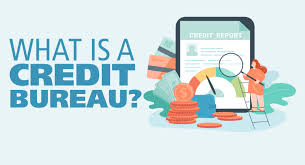
What You Need to Know About Credit Bureaus Nigeria
Credit bureaus Nigeria are organisations that collect and store your financial data.
They track:
- Loans you have taken
- Your repayment behaviour
- Any outstanding obligations
Nigeria has three major credit bureaus:
- First Central
- CRC Credit Bureau
- Credit Registry
Each bureau operates independently. This means:
- Your data may not be the same across all three
- A loan may appear in one report but not another
- Your credit score may differ between bureaus
Because of this structure, checking only one report gives you an incomplete picture.
Why This Is Becoming More Important in Nigeria
Over time, lending decisions have changed.
Today, lenders rely heavily on data from credit bureaus Nigeria before approving loans.
This shift is driven by:
- Growth of digital lending platforms
- Increased borrower activity
- Better reporting systems
The Central Bank of Nigeria encourages lenders to assess borrower risk using verified data. Because of this, credit bureau reports now play a central role in loan approval.
As more loan apps operate in Nigeria, your credit activity may be recorded in different places without your knowledge.
The Real Risks You Should Not Ignore
If you do not understand how credit bureaus Nigeria work, you may face hidden challenges.
For example:
- A loan may appear unpaid in one bureau
- Your BVN may be flagged without your awareness
- Your credit history may appear incomplete
These issues can lead to:
- Loan rejection
- Higher interest rates
- Reduced access to credit
You can also read: Reasons For Loan Rejection In Nigeria
How to Check Credit Bureaus Nigeria Properly
To avoid these risks, you need to take a structured approach.
1. Start With a Verified Credit Report
Begin by checking your credit report through a trusted source.
With PebbleScore:
- Every new user gets a free credit report from First Central
This gives you a clear starting point.
2. Check All Three Credit Bureaus
Do not rely on one report alone.
You also need to check:
- CRC Credit Bureau
- Credit Registry
This is important because:
- Loan apps may report to all three bureaus
- Some may report to only one or two
So, checking all three ensures you see your complete financial record.
3. Compare and Identify Differences
After checking all reports:
- Look for inconsistencies
- Identify missing or conflicting information
For example:
- A loan may appear in one report but not in another
- Repayment status may not match
These differences can affect lender decisions.
4. Correct Any Errors Through Dispute
If you find incorrect records:
- Take action immediately
With PebbleScore:
- You can raise a dispute
- Request corrections to your credit report
This helps ensure your data is accurate and up to date.
5. Build Your Credit Profile If Needed
If your reports show little or no activity:
- This means no negative record
- At the same time, no strong credit history
Lenders may still hesitate. To improve your profile, build consistent financial behaviour with Credit Boosters on Pebblescore:
- Everyday payments like airtime, data, electricity, and cable TV are tracked on Pebblescore
- These are reported to credit bureaus
- Your credit profile improves over time
After 3 to 6 months:
- Lenders can see verified repayment behaviour
- Your chances of approval increase
Practical Tips You Should Follow
To manage your credit effectively:
- Check all three credit bureaus regularly
- Do not rely on a single report
- Fix errors as soon as you find them
- Build consistent financial activity
- Monitor your credit before applying for loans
These steps help you stay informed.
Conclusion
Credit bureaus Nigeria play a major role in how lenders evaluate your financial profile. Since your credit information is spread across multiple bureaus, checking only one report can lead to incomplete decisions. By reviewing all three bureaus, correcting errors through disputes, and building a consistent credit history through everyday financial activity, you can take control of your financial future. Over time, understanding how credit bureaus Nigeria work will help you avoid surprises and improve your chances of accessing better loan opportunities.