
Introduction
You apply for a loan expecting approval, but instead you receive a rejection. That experience can feel confusing, especially when you have no unpaid loans. Many people face this situation and begin searching for how to fix loan rejection in Nigeria.
At first, it may seem like something went wrong. However, in many cases, nothing is actually wrong. The real issue is often a lack of visible financial activity.
Lenders rely on data, not assumptions. If they cannot see how you manage credit, they cannot make a confident decision. This is why first-time applications are sometimes declined.
The good news is that this situation can be corrected. Once you understand how to fix loan rejection in Nigeria, you can take practical steps that improve your chances over time.
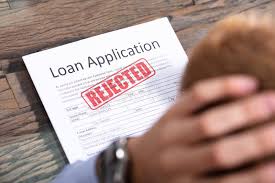
What You Need to Know About Fix Loan Rejection In Nigeria
To fix loan rejection Nigeria, you need to understand why it happens.
In many cases, the issue is not bad credit. Instead, it is because you have no credit history.
This means:
- No borrowing record
- No repayment record
- No visible financial behaviour
Because of this, lenders cannot assess your reliability.
This situation is common among:
- First-time borrowers
- Salary earners with no loan history
- Individuals who rely only on cash
So, while your record is clean, it is not strong enough for approval.
How to Fix Loan Rejection Nigeria
To fix loan rejection in Nigeria, you need to take structured and practical steps.
1. Check Your Credit Report Across All Bureaus
Start by understanding what lenders are seeing.
With PebbleScore:
- Every new user gets a free credit report from FirstCentral
However, this is only one part of your profile.
There are three credit bureaus in Nigeria:
- FirstCentral
- CRC Credit Bureau
- CreditRegistry
Loan apps may report to:
- All three
- Or only one or two
So, it is important to check across all bureaus. This gives you a complete view of your credit status.
2. Identify Whether You Have No Credit History
When your report shows no activity:
- This means no negative records
- At the same time, no proof of repayment behaviour
This is a hidden reason many people need to fix loan rejection in Nigeria.
3. Build Credit Using Everyday Financial Activity
Do you have no history, then you need to create one.
With Credit Boosters on Pebblescore:
- Daily payments like airtime, data, electricity, and cable TV are tracked
- These payments are reported to credit bureaus
- Your behaviour becomes visible to lenders
Over 3 to 6 months:
- Your credit profile becomes stronger
- Lenders gain more confidence
- Your chances of approval improve
4. Correct Any Errors on Your Credit Report
Sometimes, rejection happens because of incorrect information.
For example:
- A loan may appear unpaid when it has been cleared
- Your BVN may be incorrectly flagged
To fix this:
- Raise a dispute through PebbleScore
- Request correction of the record
Once updated, your credit profile becomes more accurate.
5. Resolve Any BVN Blacklist Issues
If your BVN is blacklisted:
- Loan approval becomes difficult
Instead of ignoring it:
- Use a structured payment plan
- Gradually clear outstanding obligations
PebbleScore helps you manage this process and work towards removing the blacklist.
You can also learn more about How To Remove your BVN from the Blacklist.
Practical Tips Before Applying Again
Before your next application:
- Confirm your credit reports are accurate
- Build consistent financial activity
- Avoid applying to multiple lenders at once
- Give your profile time to improve
These steps can make a noticeable difference.
Conclusion
To fix loan rejection Nigeria, you need to focus on visibility, accuracy, and consistency. While rejection can feel discouraging, it often highlights missing information rather than failure. By checking your credit across all bureaus, building a clear repayment pattern through everyday financial activity, correcting errors through disputes, and resolving any BVN issues on Pebblescore, you can improve your chances steadily. Over time, fixing loan rejection in Nigeria becomes less about rejection and more about building a strong financial profile that lenders trust.